
Over a century of medical use, growing clinical evidence and a versatile tool against chronic inflammation, persistent infections, musculoskeletal pain and toxic overload. At Centre Mèdic Dr. Aldosa we offer the five main modalities —including the new far-infrared ozone sauna— integrated within a personalized clinical approach.
Unsure which modality fits your case? Call us at +376 867 700
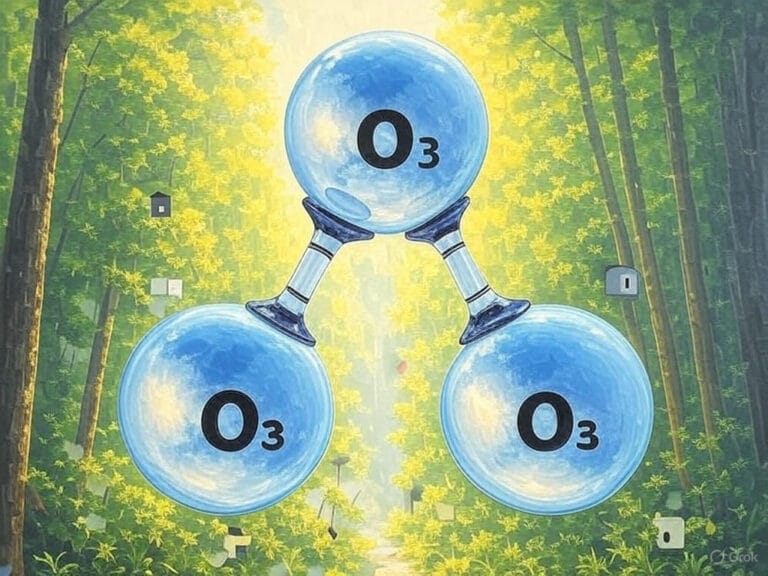
Ozone therapy is the clinical use of a precise mixture of pure oxygen and medical ozone (O₂ + O₃) in controlled therapeutic concentrations. Medical ozone cannot be stored: it is generated at the moment of application from medicinal oxygen, using certified equipment, and administered immediately.
The four documented biological actions that make it a useful clinical tool:
An important distinction: medical ozone applied under clinical protocol has little to do with commercial ozone machines or with “aesthetic ozone therapy” marketed at some spas. Medical ozone therapy requires certified equipment, precise dosing, prior clinical assessment, monitoring and trained professionals.
Medical ozone does not act through direct presence: it acts through the biological response it triggers. When it comes into contact with the body, it immediately reacts with fatty acids and antioxidants, generating a small amount of lipid peroxides —the so-called ozonides— that function as biochemical messengers.
These messengers activate cell signaling pathways that, in controlled doses, strengthen the body’s own antioxidant defense systems: glutathione, superoxide dismutase, catalase. This is known as the hormetic response: a low-intensity stimulus that activates the defenses, similar to the mechanism of physical exercise or controlled exposure to cold and heat.
This mechanistic foundation, described in depth by Velio Bocci (University of Siena) and developed through the International Scientific Committee of Ozone Therapy (ISCO3), is what distinguishes serious medical ozone therapy from empirical or unregulated commercial applications.
Ozone therapy is not a single technique: it is a family of modalities. Each enters the body through a different route, reaches different tissues and has its own indications. The choice of modality depends on the clinical picture and is part of the treatment plan we design with you.
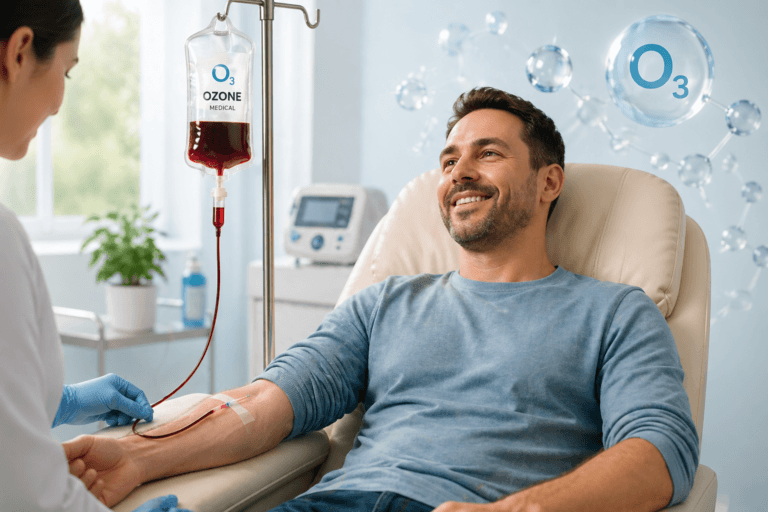
The most studied modality with the most systemic action. The route with the longest documented clinical track record.
How it works:
A small amount of the patient’s blood is drawn, ozonized at the defined therapeutic concentration and reinfused intravenously. The full session lasts 30-60 minutes.
Main indications:
NEW
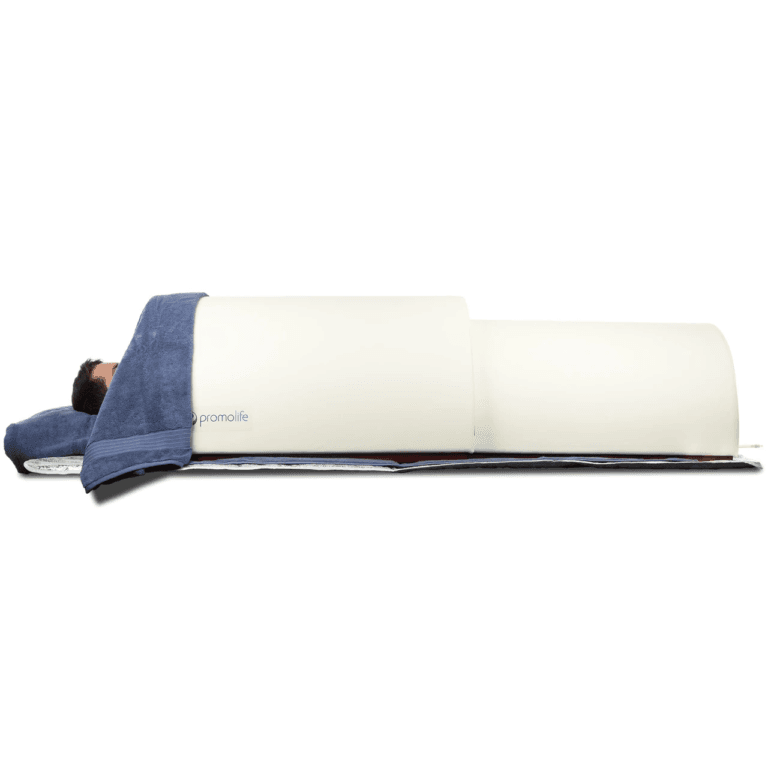
Transdermal application of ozone combined with deep sweating induced by infrared. The most recent addition to the centre.
How it works:
The patient lies inside a dome with the head outside. Far-infrared heats the tissues (38-60 °C in dry conditions) and the dome maintains an ozone atmosphere that is absorbed through the skin. Sessions of 20-40 minutes.
Main indications:
Local application on selected mucous membranes, with regional and systemic effect.
How it works:
Administration of ozone-oxygen gas at controlled concentration through the corresponding mucous membrane, with specific devices for each route. Short sessions of 5-15 minutes depending on the location.
Main indications:
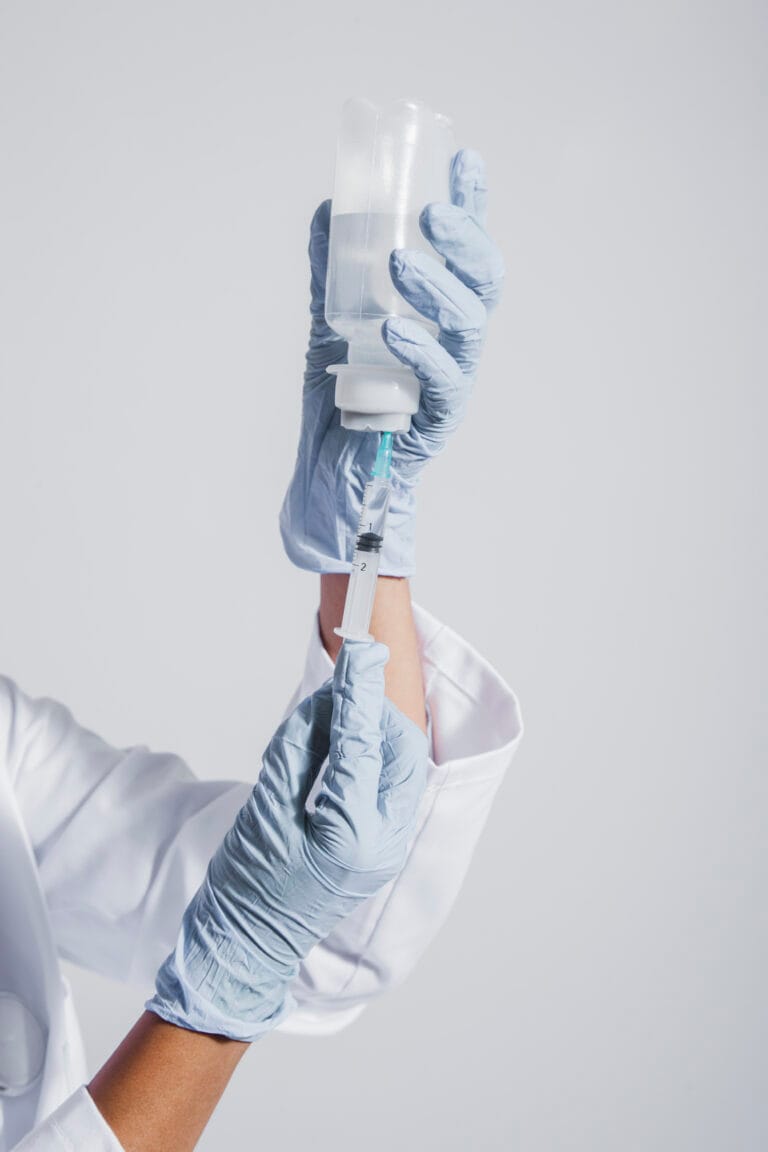
Deep local application targeting the affected structure. Combinable with percutaneous hydrotomy.
How it works:
Injection of the ozone-oxygen mixture under clinical or ultrasound guidance directly into the target tissue. The usual protocol is cycles of 4-8 sessions spaced according to the case.
Main indications:

Local antimicrobial, anti-inflammatory and healing action. Useful as an outpatient adjunct.
How it works:
Direct application on the skin or mucous membrane with medical-grade ozonized oil or pre-ozonized water. The patient can continue the application at home following our protocol.
Main indications:
Ozone therapy is especially useful in these clinical profiles:
Disc herniations, persistent low back pain, osteoarthritis, tendinopathies not responding to conservative treatment.
Elevated inflammatory markers, diffuse pain, stable-phase autoimmune conditions, metabolic syndrome.
Conditions involving biofilms: recurrent cystitis, chronic candidiasis, persistent sinusitis or otitis, recurrent herpes.
Conditions where systemic inflammation, mitochondrial dysfunction and toxic overload play a significant role.
Occupational, environmental or dietary exposure to heavy metals, solvents or endocrine disruptors. The sauna and IV route are especially applicable.
Skin lesions that do not heal naturally: vascular ulcers, diabetic lesions (with prior metabolic control), pressure ulcers.
People with high physical or mental demands, athletes, prolonged post-viral recovery, support in healthy aging.
As an adjuvant in patients in remission or stabilization, always under the supervision of the referring oncologist and with specific application criteria.
Every first ozone therapy application requires an initial consultation where we review the complete medical history, recent lab work, current medication and therapeutic goals. We verify there are no contraindications (especially G6PD deficiency, uncontrolled hyperthyroidism or unstable heart disease). Informed consent is always signed, as required by health regulations.
Based on the clinical picture we decide which (or which) of the five modalities to apply and at what concentration. The ozone concentration is adjusted case by case: what works for an intradiscal injection is not the same as for a sauna session or an autohemotherapy.
Duration and frequency depend on the modality and the objective. Autohemotherapy and sauna last 30-60 minutes per session. Insufflations and topical applications are shorter. Injections are done in series of 4-8 spaced sessions. We always document the response to adjust the protocol.
Ozone therapy is rarely a standalone intervention. It is usually integrated into the broader PNI plan, in combination with changes in nutrition, habits, other techniques (acupuncture, microimmunotherapy) and, when applicable, with follow-up by the patient’s referring physician.
Realistic timelines: many patients notice improvement from the first sessions, especially in acute pain, recovery or localized infections. Chronic systemic processes (autoimmune, chronic fatigue, toxic overload) require cycles of 8-15 sessions over several weeks. Ozone therapy complements, but does not replace, ongoing medical treatments.
Ozone therapy, applied under clinical protocol with certified equipment and proper dosing, has a high safety profile. Recent literature (over 100 years of medical use, records of millions of documented applications) confirms this. Even so, there are absolute and relative contraindications that we always respect:
The initial clinical assessment serves precisely to detect these situations and, when necessary, refer the patient or adjust the protocol.
We work with professional-grade medical ozone generators (O3Elite Dual) and, for the sauna, with a dome made from materials specifically compatible with ozone. This matters: most plastics release toxic compounds in the presence of ozone, and unsuitable equipment can be harmful.
Being able to choose between systemic, transdermal, mucosal, injection and topical routes allows the treatment to be tailored to the actual case. Most clinics offer one or two routes; we can combine them when it adds value.
Ozone therapy is not applied as an isolated technique but within the personalized clinical psychoneuroimmunology treatment plan we design for each patient. This multiplies the results.
We work alongside Dr. Aldosa Mora, medical director, with continuous medical backing and a volume of real cases that provides clinical judgment.
We do not promise miracle results. Ozone therapy is a clinical tool with specific indications and clear limits, and that is how we present it.
Yes, when applied under clinical protocol, with proper dosing and certified equipment. The available literature documents over a century of medical use and a high safety profile. The key is that it is administered by trained professionals, with prior assessment to rule out specific contraindications (especially G6PD deficiency, which is verified before the first systemic session).
In every meaningful way. Medical ozone therapy requires: certified equipment that doses with precision, pure medicinal oxygen as the source gas, dosing calculated case by case, prior clinical assessment ruling out contraindications, a trained professional and signed informed consent. Commercial devices or applications without clinical oversight do not meet any of these criteria.
Yes. The mechanistic foundation has been well established since the 1990s thanks to the work of Velio Bocci (University of Siena) and has been consolidated through the International Scientific Committee of Ozone Therapy (ISCO3). The indications with the strongest evidence are disc herniations (intradiscal injection), chronic joint pain, chronic ulcers, chronic infections with biofilms and inflammation modulation. Other applications have more emerging evidence and we present them with the corresponding caution.
In most cases yes, and the initial clinical assessment is precisely to review this. Some medications require adjustment or more caution: anticoagulants, certain chemotherapy agents, photosensitizing drugs. We will never ask you to stop a treatment prescribed by another professional without coordinating with whoever prescribed it.
The most frequent are mild and transient: a feeling of tiredness on the day of the session (especially the first ones), a small bruise at the puncture site in autohemotherapy, intense heat sensation during the sauna. More significant effects are rare and are usually associated with not respecting contraindications. That is why we insist on the prior assessment.
It depends greatly on the case. An injection for a disc herniation may be a series of 4-6 sessions. A sauna detoxification protocol, 8-12 sessions over 2-3 months. An autoimmune condition with autohemotherapy, cycles of 10-15 spaced sessions. At the first consultation we give you a realistic estimate for your specific case, not a generic number.
The choice of modality is a clinical decision we make together. You explain your case and preferences to us; we assess which route best addresses the problem, which concentrations are appropriate and how it fits into the overall plan. Sometimes the best strategy is to combine two modalities; sometimes to start with one and reassess.
No. It is a private treatment and is not covered by CASS.
No. It is a complement, not a substitute. Conventional medicine is essential to diagnose and treat acute illnesses and conditions that require medical or surgical intervention. Ozone therapy works in parallel, providing what the conventional system rarely offers: modulation of chronic inflammation, stimulation of antioxidant defenses, improved tissue perfusion.
The price depends on the modality and the duration of the protocol. Share with us by phone or through the contact form the reason for your consultation and we will confirm pricing and the structure of the treatment tailored to your specific case.
Ozone therapy is a clinical tool, not a miracle. What changes the results is the careful assessment of the case, the right choice of modality and integration within a broader treatment plan. The first consultation is precisely for this: to determine whether ozone therapy makes sense in your case and, if so, which modality and which protocol.
Centre Mèdic Dr. Aldosa
Av. Carlemany 75, 2n 1a · AD700 Escaldes-Engordany · Andorra
Phone: +376 867 700
Email: centremedicaldosa@gmail.com
Hours: Monday to Friday, 9:00 – 13:30
or call us at +376 867 700